
The 12 Hidden Signs of Gut Dysbiosis (That Doctors Often Miss)
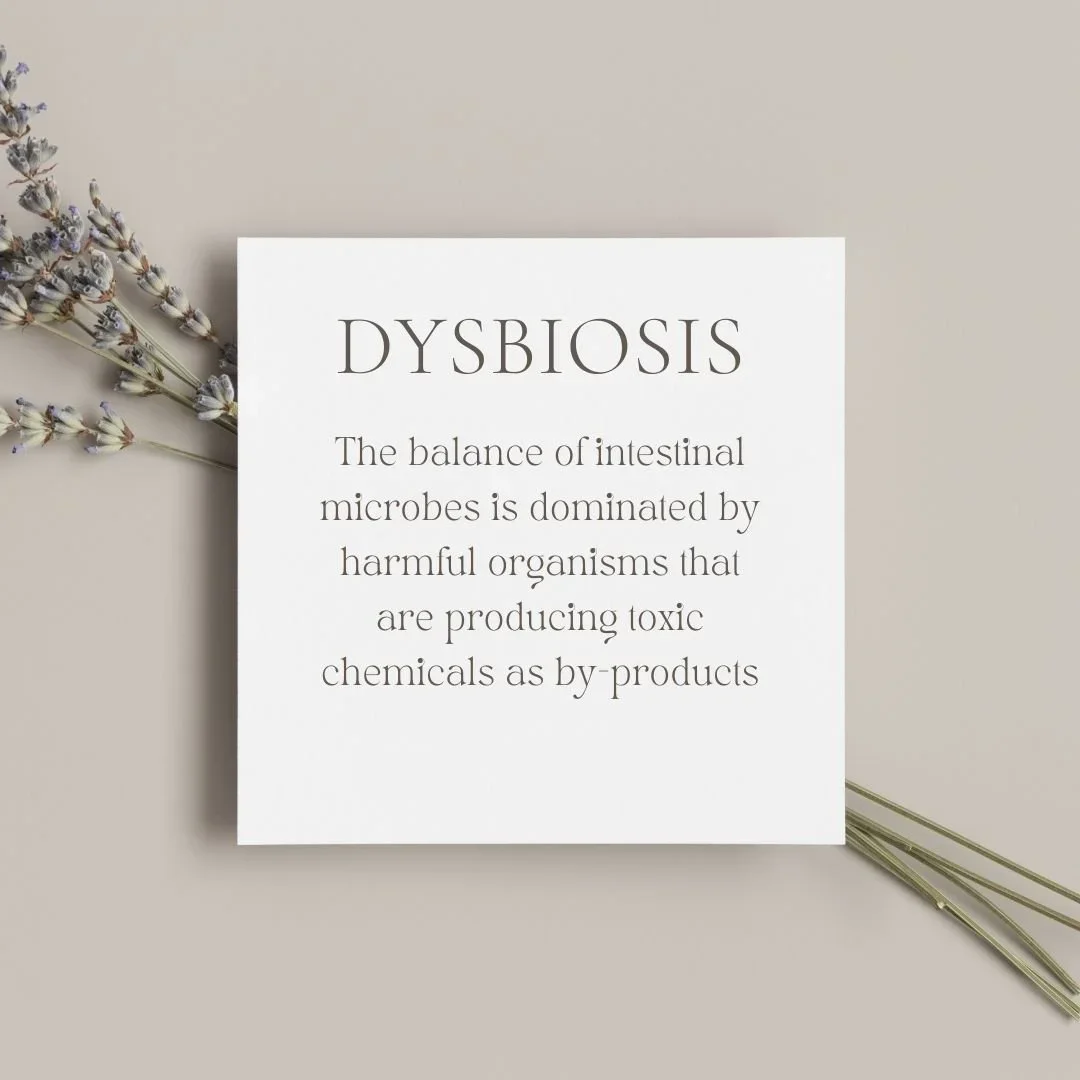
Meaning of dysbiosis
Your doctor says your tests are "normal." Your colonoscopy came back clear. Your blood work looks fine. Yet you feel terrible—exhausted, bloated, foggy-headed, and increasingly frustrated that no one can tell you what's actually wrong.
Sound familiar?
Here's what might be happening: you could have gut dysbiosis—an imbalance in your gut bacteria that doesn't show up on standard medical tests but affects nearly every system in your body.
I've seen this scenario play out hundreds of times. Women who've been told "it's just stress" or "you have IBS" or "everything looks normal" finally discover through comprehensive microbiome testing that severe dysbiosis has been the hidden culprit all along.
"In my Barossa Valley clinic, I've seen countless women whose dysbiosis was misdiagnosed as separate conditions—anxiety, skin problems, hormone imbalances. Once we address the root cause in their gut, everything begins to heal." — Sonya Thorn, Gut Health Detective
The challenge with dysbiosis is that its symptoms extend far beyond digestive discomfort. Whilst bloating and irregular bowel movements are common clues, dysbiosis also manifests as brain fog, anxiety, skin eruptions, hormonal chaos, and chronic fatigue—symptoms that seem completely unrelated to gut health.
This is why dysbiosis is so often missed. Doctors treat each symptom separately without recognising they're all pieces of the same puzzle: an imbalanced gut microbiome affecting multiple body systems simultaneously.
In this comprehensive article, I'll reveal the 12 hidden signs of gut dysbiosis that doctors often overlook, help you recognise the patterns in your own health, and explain why identifying these clues is the first step toward genuine healing.
What is Gut Dysbiosis? A Quick Refresher
Before we explore the hidden symptoms, let's briefly review what dysbiosis actually is.
Gut dysbiosis is an imbalance in your intestinal microbiome—when harmful bacteria, yeasts, and pathogens outnumber the beneficial bacteria that keep your digestive system healthy.
Your gut contains trillions of microorganisms that influence digestion, immunity, mental health, hormone regulation, inflammation levels, and even how you store fat. When this delicate ecosystem becomes imbalanced, the effects ripple throughout your entire body.
There are three main types of dysbiosis:

Types of Dysbiosis
Most women I work with have a combination of all three.
Standard medical testing—blood tests, colonoscopies, basic stool tests—typically doesn't detect dysbiosis. These tests look for disease states, not microbial imbalances. This is why functional testing through comprehensive microbiome analysis is so valuable: it reveals what's actually happening in your gut ecosystem.
Now, let's explore the 12 hidden signs that your gut bacteria might be out of balance.
The 12 Hidden Signs of Gut Dysbiosis
1. Brain Fog and Cognitive Dysfunction
You used to have a sharp memory. Now you walk into rooms and forget why. You struggle to concentrate during meetings. Words escape you mid-sentence. You feel like you're thinking through cotton wool.
Why dysbiosis causes brain fog:
Your gut and brain communicate constantly through the gut-brain axis—a bidirectional highway connecting your central nervous system with your enteric nervous system (the nervous system in your gut).
When gut bacteria are imbalanced, several things happen that directly affect cognitive function:
Reduced neurotransmitter production – your gut produces approximately 90% of your body's serotonin (your happy hormone) and about 50% of dopamine (your motivation hormone). Dysbiosis disrupts this production.
Increased inflammation – harmful bacteria produce inflammatory compounds that cross the blood-brain barrier and affect brain function.
Toxin production – pathogenic bacteria produce neurotoxic compounds that interfere with mental clarity.
Nutrient malabsorption – dysbiosis reduces absorption of B vitamins, particularly B12, which is crucial for cognitive function.
What this looks like:
Difficulty concentrating or focusing on tasks
Poor short-term memory
Feeling mentally "slow" or sluggish
Difficulty finding words
Reduced mental stamina
Feeling foggy or disconnected
The clinical connection:
Research published in Frontiers in Neuroscience demonstrates clear links between gut microbiome composition and cognitive function. When we restore bacterial balance through targeted treatment, brain fog often lifts within weeks—sometimes faster than digestive symptoms improve.
Women in my practice have described it as "someone turned the lights back on in my brain" once their dysbiosis was addressed.
2. Anxiety, Depression, and Mood Disorders
You feel anxious for no clear reason. Small things overwhelm you. You experience waves of panic that seem to come from nowhere. Or perhaps you feel persistently low, unmotivated, detached from joy.
Your doctor suggests antidepressants or anti-anxiety medication. They might help—but they're not addressing the root cause if dysbiosis is driving your mental health symptoms.
Why dysbiosis affects mental health:
The gut-brain connection isn't metaphorical—it's a physical, biochemical reality.
The vagus nerve connects your gut directly to your brain, transmitting signals in both directions. When gut bacteria are imbalanced, the signals change.
Neurotransmitter disruption – serotonin, dopamine, and GABA (calming neurotransmitter) production in the gut becomes impaired.
Inflammatory cytokines – harmful bacteria produce inflammatory compounds that trigger anxiety and depressive symptoms.
HPA axis dysfunction – dysbiosis affects your hypothalamic-pituitary-adrenal axis, your body's stress response system.
Nutrient deficiencies – poor absorption of B vitamins, magnesium, and amino acids affects mood regulation.
What this looks like:
Generalised anxiety without clear triggers
Panic attacks, especially related to digestive episodes
Social anxiety (often worsened by fear of digestive symptoms)
Low mood or depression
Emotional instability and mood swings
Feeling "wired and tired"
Irritability and short temper
The clinical reality:
In my practice, I've seen remarkable mental health improvements when dysbiosis is addressed. Women whose anxiety has been labelled as purely psychological often experience 50-70% reduction in symptoms within 8-12 weeks of restoring gut balance.
This doesn't mean all anxiety and depression is gut-related—but the connection is significant enough that gut health should be considered in any comprehensive mental health approach.
3. Chronic Skin Issues: Acne, Eczema, Rosacea
Your skin is breaking out despite being well past your teenage years. You've tried every skincare routine, eliminated dairy, visited dermatologists—yet nothing provides lasting improvement. Or perhaps you're dealing with eczema patches, rosacea flare-ups, or other inflammatory skin conditions.
Why dysbiosis affects your skin:
Your skin is a reflection of your internal health, particularly your gut health. The gut-skin axis is a well-established connection in functional medicine.
Increased intestinal permeability – dysbiosis damages gut lining, allowing inflammatory compounds into the bloodstream that manifest as skin inflammation.
Systemic inflammation – harmful bacteria produce inflammatory mediators that travel through the bloodstream to the skin.
Toxin accumulation – when the gut isn't eliminating properly, toxins are expelled through the skin.
Nutrient malabsorption – poor absorption of zinc, vitamin A, and essential fatty acids affects skin health.
Immune dysregulation – 70% of your immune system lives in your gut. Dysbiosis creates immune confusion that manifests as skin reactions.
What this looks like:
Adult acne, particularly along the jawline and chin
Cystic acne that doesn't respond to topical treatments
Eczema patches on elbows, knees, hands, or face
Rosacea with facial redness and visible blood vessels
Psoriasis with scaly, inflamed patches
Hives or unexplained rashes
Premature ageing and dull complexion
The transformation potential:
I've witnessed remarkable skin transformations when dysbiosis is healed. Women whose acne persisted through every dermatological treatment often see dramatic clearing within 8-16 weeks of addressing gut health.
Your skin isn't the problem—it's the messenger telling you something is wrong deeper inside.
4. Unexplained Fatigue and Low Energy
You wake up tired. Coffee only helps briefly. By mid-afternoon, you're struggling to keep your eyes open. Yet your thyroid tests are "normal," your iron is "fine," and doctors can't explain your exhaustion.
Why dysbiosis causes fatigue:
Energy production is a complex process involving nutrient absorption, cellular function, and metabolic efficiency—all of which are significantly affected by gut health.
Nutrient malabsorption – dysbiosis impairs absorption of B vitamins, iron, magnesium, and other nutrients crucial for energy production.
Mitochondrial dysfunction – inflammatory compounds from dysbiosis damage mitochondria (your cells' energy factories).
Chronic inflammation – fighting constant bacterial imbalance drains energy reserves.
Sleep disruption – dysbiosis affects melatonin production and sleep quality.
Blood sugar instability – imbalanced gut bacteria affect glucose metabolism and insulin sensitivity.
Thyroid impact – dysbiosis can interfere with thyroid hormone conversion.
What this looks like:
Waking unrefreshed despite adequate sleep
Needing multiple coffees just to function
Afternoon energy crashes
Physical and mental exhaustion
Difficulty recovering from exercise
Feeling too tired to do things you enjoy
"Running on empty" constantly
The energy transformation:
When gut bacteria are rebalanced and nutrient absorption improves, energy levels often transform dramatically. Women in my practice describe it as "getting my life back" or "remembering what it feels like to actually have energy."
This isn't about pushing through with more caffeine or willpower—it's about addressing the physiological root cause of your exhaustion.
5. Food Sensitivities and Intolerances You Never Had Before
You used to eat everything without a problem. Now your list of "safe" foods grows smaller every month. Gluten bothers you. Dairy causes bloating. You react to vegetables that should be healthy. Even foods labelled "gut-friendly" make you feel worse.
Why dysbiosis creates food sensitivities:
When your gut bacteria are imbalanced, your intestinal lining becomes compromised, and your immune system becomes hypersensitive.
Increased intestinal permeability – dysbiosis damages the tight junctions between intestinal cells, allowing partially digested food proteins into the bloodstream.
Immune system hyperactivity – the immune system attacks these food particles, creating sensitivities.
Enzyme deficiencies – dysbiosis reduces production of digestive enzymes needed to break down certain foods.
Histamine intolerance – certain dysbiotic bacteria produce excess histamine or reduce your ability to break it down.
What this looks like:
Reacting to foods you've always eaten without problems
Growing list of foods that "don't agree with you"
Feeling worse after eating "healthy" foods like vegetables or fermented foods
Bloating, gas, or pain after specific foods
Skin reactions or headaches after certain meals
Needing to follow increasingly restrictive diets
Fear of eating in social situations
The restriction trap:
Many women I see have eliminated so many foods that they're surviving on chicken, rice, and a handful of vegetables. This restriction actually worsens dysbiosis by reducing dietary diversity, which reduces bacterial diversity.
The solution isn't more elimination—it's healing the gut so you can eventually tolerate a wider variety of foods again. This is one of the most rewarding aspects of dysbiosis treatment: watching women reintroduce foods they thought they'd never eat again.
6. Bloating That Makes You Look Pregnant
This is perhaps the most common and distressing symptom. You wake up with a relatively flat stomach, but by evening you look six months pregnant. The bloating is uncomfortable, sometimes painful, and deeply embarrassing.
Why dysbiosis causes severe bloating:
Bloating isn't about eating too much or eating too fast—it's about what's happening to your food once it reaches your gut.
Bacterial fermentation – harmful bacteria ferment foods improperly, producing excessive gas.
SIBO – bacteria overgrow in the small intestine where they shouldn't be, fermenting food prematurely.
Slowed gut motility – dysbiosis affects the muscles that move food through your digestive system.
Carbohydrate malabsorption – certain bacteria can't properly process FODMAPs and other carbohydrates.
Visceral hypersensitivity – inflammation makes your gut more sensitive to normal amounts of gas.
What this looks like:
Waking with a flat stomach that progressively distends throughout the day
Severe bloating after meals, especially dinner
Painful abdominal distension
Clothes fitting in the morning but not by evening
Looking pregnant despite not being pregnant
Bloating that doesn't respond to dietary changes
Gas and belching accompanying the bloating
The social impact:
The emotional toll of chronic bloating is significant. Women tell me they avoid social events, feel self-conscious in photos, and buy clothes in larger sizes to hide their distended abdomen.
In my practice, I've worked with women who wore oversized clothing every evening because nothing else fit comfortably over bloated bellies. After addressing dysbiosis—specifically SIBO —bloating typically reduces by 70-80% within eight weeks.
7. Irregular Bowel Movements: Constipation, Diarrhoea, or Both
Your bowel movements are unpredictable. Perhaps you're constipated for days, then suddenly experience urgent diarrhoea. Or you're stuck in one extreme—chronic constipation or persistent loose stools. Either way, your bathroom habits control your daily life.
Why dysbiosis affects bowel function:
Beneficial bacteria play crucial roles in maintaining healthy bowel function. When they're depleted or overwhelmed by harmful organisms, everything becomes dysregulated.
Motility disruption – gut bacteria produce compounds that affect intestinal muscle contractions.
Serotonin production – 90% of serotonin is made in the gut and regulates bowel movements.
Water regulation – certain bacteria affect how much water is absorbed or secreted in the colon.
Inflammation – inflammatory dysbiosis can speed up or slow down transit time.
Bile acid metabolism – bacteria help metabolise bile acids, which affect bowel consistency.
What this looks like:
Constipation symptoms:
Fewer than one bowel movement daily
Hard, pellet-like stools
Straining and incomplete evacuation
Feeling backed up and uncomfortable
Bloating worsening with constipation
Diarrhoea symptoms:
Urgent, frequent bowel movements
Loose, watery stools
Multiple bowel movements after eating
Planning life around bathroom access
Accidents or near-accidents
Alternating pattern:
Swinging between constipation and diarrhoea
Unpredictable bowel function
Never knowing what to expect
IBS diagnosis without underlying cause identified
The life disruption:
I’ve seen many women who have stopped travelling, avoided social events, or experienced anxiety every time they left home.
The relief when bowel function normalises after dysbiosis treatment is profound—not just physically, but emotionally and socially.
8. Hormonal Imbalances: PMS, Irregular Periods, PCOS
Your periods are unpredictable or excruciatingly painful. PMS symptoms dominate the week before your period. You've been diagnosed with PCOS, endometriosis, or other hormonal conditions. Your doctor has offered the contraceptive pill, but you want to address the root cause.
Why dysbiosis affects hormones:
The connection between gut health and hormones is profound, particularly for oestrogen metabolism.
The estrobolome – specific gut bacteria metabolise and regulate oestrogen. Dysbiosis disrupts this process, leading to oestrogen dominance or deficiency.
Inflammation affects hormone production – inflammatory cytokines from dysbiosis interfere with hormone signalling.
Insulin resistance – certain dysbiotic patterns contribute to insulin resistance, a driving factor in PCOS.
Nutrient deficiencies – poor absorption of B vitamins, magnesium, and zinc affects hormone synthesis.
Stress hormone dysregulation – dysbiosis affects cortisol production and metabolism.
What this looks like:
Severe PMS symptoms: mood swings, bloating, breast tenderness, food cravings
Irregular menstrual cycles
Heavy or very light periods
Painful periods (dysmenorrhoea)
PCOS symptoms: irregular cycles, excess androgens, ovarian cysts
Perimenopause symptoms worsening
Difficulty conceiving
Low libido
The hormone-gut cycle:
Hormones affect gut function, and gut health affects hormones—creating a cycle that can spiral in either direction. I've seen remarkable hormonal improvements when dysbiosis is addressed: periods becoming regular for the first time in years, PMS symptoms reducing by 70-80%, and even fertility improving.
One case involved irregular cycles and PCOS for three years. After addressing dysbiosis—specifically insulin-resistant bacteria patterns and inflammatory dysbiosis—cycles regulated within three months, with natural conception occurring within the year.
9. Frequent Infections and Weakened Immunity
You catch every cold going around. You've had multiple UTIs this year. You develop thrush regularly. Minor cuts take longer to heal. Your immune system seems chronically weakened.
Why dysbiosis weakens immunity:
Approximately 70% of your immune system resides in your gut. When gut bacteria are imbalanced, immune function suffers dramatically.
Immune training disruption – beneficial bacteria teach your immune system to distinguish threats from harmless substances. Dysbiosis impairs this training.
Reduced secretory IgA – this protective antibody that coats your gut lining declines with dysbiosis.
Chronic inflammation – constant immune activation from dysbiosis depletes immune resources.
Nutrient deficiencies – poor absorption of vitamins A, C, D, and zinc weakens immunity.
Intestinal barrier breakdown – allowing pathogens and toxins into the bloodstream, overwhelming the immune system.
What this looks like:
Catching colds and flu frequently
Longer recovery time from illness
Recurring UTIs (urinary tract infections)
Frequent vaginal thrush or yeast infections
Chronic sinus infections
Slow wound healing
Feeling run down constantly
Allergies worsening or developing new allergies
The immunity restoration:
When gut bacteria are rebalanced and intestinal integrity is restored, immune resilience improves. Women who were catching everything at work suddenly go months without illness. Chronic infections resolve. The body's natural defences strengthen.
This isn't about "boosting" immunity with supplements—it's about restoring the foundation of immune function that exists in your gut.
10. Joint Pain and Muscle Aches
You wake up stiff and sore. Your joints ache without injury. You've been diagnosed with rheumatoid arthritis or another autoimmune condition. Or perhaps doctors can't explain your chronic pain but assure you "nothing's wrong."
Why dysbiosis causes pain and inflammation:
The gut is command central for inflammation throughout your body. Dysbiosis creates a state of chronic systemic inflammation that manifests as pain.
Inflammatory cytokine production – harmful bacteria produce inflammatory compounds that travel through the bloodstream to joints and muscles.
Intestinal permeability – partially digested food proteins and bacterial toxins leak into the bloodstream, triggering immune reactions that cause pain.
Autoimmune triggers – molecular mimicry (where bacterial proteins resemble human proteins) can trigger autoimmune attacks on joints.
Nutrient malabsorption – poor absorption of omega-3 fatty acids, magnesium, and antioxidants affects inflammation regulation.
What this looks like:
Morning stiffness lasting more than 30 minutes
Joint pain without injury
Muscle aches and body pains
Diagnosed autoimmune conditions (rheumatoid arthritis, lupus, etc.)
Pain that migrates around the body
Inflammation that doesn't respond well to anti-inflammatories
Feeling like you've "aged overnight"
The pain-gut connection:
Joint pain that had persisted for years may be reduced by 60-80% within 3-4 months of restoring gut balance.
In one case involving rheumatoid arthritis, comprehensive microbiome testing revealed severe dysbiosis with predominant inflammatory bacteria species. After addressing these through targeted treatment, pain reduced by 70%, and pain and discomfort significantly improved.
11. Stubborn Weight Gain or Inability to Lose Weight
You're eating well and exercising, but the weight won't budge. Or perhaps you're gaining weight despite no changes to your diet or activity level. Your doctor suggests "eating less and moving more," but you're already doing thator worse weight loss injections that come with many devastating side effects.
Why dysbiosis affects weight:
Emerging research reveals that gut bacteria significantly influence metabolism, fat storage, and weight regulation.
Certain bacteria extract more calories from food—some people have bacteria that are highly efficient at harvesting energy.
Insulin resistance – dysbiotic patterns contribute to insulin resistance and blood sugar dysregulation.
Hormone disruption – dysbiosis affects leptin (satiety hormone) and ghrelin (hunger hormone).
Inflammation and metabolism – chronic inflammation from dysbiosis slows metabolic rate.
Short-chain fatty acid production – beneficial bacteria produce compounds that regulate fat storage and energy expenditure.
What this looks like:
Weight gain despite healthy eating and regular exercise
Inability to lose weight with traditional calorie restriction
Weight concentrated around the abdomen
Intense cravings for sugar and refined carbohydrates
Feeling like your metabolism has "stopped working"
Weight fluctuations related to gut symptoms
Feeling puffy and inflamed rather than just overweight
The metabolism reset:
When dysbiosis is addressed, many women experience weight changes without deliberately trying to lose weight. The body's metabolism normalises, inflammation reduces, cravings diminish, and weight naturally stabilises.
I'm always careful to emphasise that dysbiosis treatment isn't a "weight loss program"—but metabolic improvements are a common side effect of restoring gut health. Women in my practice report losing 5-10kg over several months without restrictive dieting, simply as a result of healing their gut.
12. Sugar and Carbohydrate Cravings You Can't Control
You crave sugar constantly. You can't walk past the biscuit tin without taking one (or five). You feel like carbohydrates control you rather than the other way around. You've tried willpower, but the cravings always win.
Why dysbiosis creates cravings:
This might be the most insidious symptom of dysbiosis: the bacteria living in your gut can literally influence what you crave.
Bacterial manipulation – harmful bacteria thrive on sugar and refined carbohydrates. They produce compounds that signal your brain to crave exactly what feeds them.
Blood sugar dysregulation – dysbiosis affects insulin sensitivity and glucose metabolism, creating blood sugar swings that drive cravings.
Neurotransmitter disruption – sugar provides temporary serotonin boosts when gut bacteria aren't producing adequate neurotransmitters.
Reward pathway activation – dysbiosis can affect dopamine signalling, making you seek the dopamine (motivation) hit that sugar provides.
What this looks like:
Intense cravings for sweets, bread, pasta, and refined carbs
Feeling like you "need" sugar, not just want it
Cravings worsening in the afternoon or evening
Inability to eat just one biscuit or piece of chocolate
Feeling controlled by food cravings
Carb cravings accompanying digestive symptoms
Temporary mood improvement after eating sugar, followed by a crash
Breaking the craving cycle:
Here's the remarkable thing: when dysbiosis is addressed—sugar cravings often disappear within weeks. Women in my practice describe it as "the cravings just switched off" or "I can finally take or leave sweets."
This isn't about developing more willpower—it's about removing the bacterial drivers of those cravings. When harmful organisms are reduced and beneficial bacteria are restored, the biological imperative to consume sugar diminishes dramatically.
I've worked with women who struggled with sugar cravings for 20 years, trying every diet and behaviour modification technique. Within six weeks of treating bacterial dysbiosis, they could keep chocolate in the house without thinking about it constantly—something never achieved before.
Why Standard Medical Tests Miss Dysbiosis
If you've experienced several of these symptoms and sought medical help, you've probably had various tests that came back "normal":
Tests you've likely had:
Blood tests (full blood count, inflammatory markers, liver function)
Thyroid function tests
Iron studies
Vitamin B12 and folate
Coeliac disease screening
Basic stool test (checking for blood, parasites, or calprotectin)
Perhaps a colonoscopy or gastroscopy
These tests are excellent for detecting disease states—anaemia, thyroid disorders, inflammatory bowel disease, coeliac disease, or structural abnormalities. But they're not designed to identify microbial imbalances.
What standard tests don't show:
Specific bacterial species and their populations
Beneficial bacteria diversity
Pathogenic bacteria overgrowth
Fungal overgrowth (Candida)
SIBO (small intestinal bacterial overgrowth)
Digestive enzyme function
Intestinal permeability markers
Gut immune function
You can have severe dysbiosis with completely normal standard test results. I see this constantly in my Barossa Valley practice.
The Dysbiosis Self-Assessment: Recognising Your Risk
While only comprehensive functional testing can definitively diagnose dysbiosis, certain risk factors and symptom combinations indicate high likelihood of gut bacterial imbalance.

Risk factors for gut dysbiosis
What to Do If You Recognise These Signs
If you're reading this article and recognising yourself in multiple symptoms, you're probably wondering: "What now?"
Here's the truth: dysbiosis doesn't typically resolve on its own. Without intervention, it often worsens over time as beneficial bacteria continue declining and harmful organisms continue proliferating.
But here's the encouraging news: dysbiosis is absolutely healable with the right approach.
Step 1: Stop Blaming Yourself
First, understand that dysbiosis isn't your fault. You haven't "caused" this through poor choices or lack of willpower.
Dysbiosis develops from a combination of factors—many outside your control:
Antibiotics prescribed years ago
Stress from work, family, or life circumstances
Environmental toxins you couldn't avoid
Genetic predisposition to certain bacterial imbalances
Early life factors like birth method or infant feeding
You haven't failed. Your body is responding to genuine physiological imbalances that require targeted treatment.
Step 2: Get Proper Testing
Generic gut health advice—"take a probiotic, eat more fibre, reduce stress"—fails because it doesn't address YOUR specific imbalance.
Someone with loss of bacterial diversity needs different treatment than someone with Candida overgrowth. Hydrogen-dominant SIBO requires different protocols than methane-dominant SIBO. Inflammatory dysbiosis needs different support than dysbiosis with poor digestive enzyme function.
Comprehensive functional testing reveals:
Specific bacterial species and their populations
Beneficial bacteria diversity levels
Pathogenic organism overgrowth
Fungal infections (particularly Candida)
SIBO (if present)
Digestive function markers
Inflammatory markers
Intestinal permeability indicators
As a Certified Microbiome Analyst, I interpret these comprehensive results to identify your specific dysbiosis pattern and create targeted treatment protocols.
Step 3: Address the Root Cause with Personalised Treatment
Once we know what's happening in your gut, we create a protocol specifically for you.
Effective dysbiosis treatment includes:
Dietary interventions:
Foods that support YOUR beneficial bacteria
Temporary removal of foods feeding harmful organisms
Specific modifications based on your test results (FODMAP, histamine, etc.)
Reintroduction strategies to rebuild food tolerance
Targeted supplementation:
Probiotics matched to your specific needs (not random probiotics)
Prebiotics to feed beneficial bacteria
Antimicrobial herbs if pathogenic overgrowth is present
Digestive support enzymes if needed
Gut lining repair nutrients (L-glutamine, zinc, aloe)
Lifestyle modifications:
Stress management appropriate for your situation
Sleep optimisation strategies
Appropriate movement and exercise
Nervous system support
Ongoing monitoring:
Regular symptom tracking
Protocol adjustments based on your response
Retesting at appropriate intervals
Step 4: Give It Time
Healing dysbiosis isn't a quick fix. The gut didn't become imbalanced overnight, and it won't heal overnight either.
Realistic timeline:
Weeks 1-4: Initial symptom improvements, increased awareness
Weeks 4-8: Noticeable reduction in symptoms, improved energy
Weeks 8-12: Significant transformation, expanded food tolerance
Weeks 12-16: Major symptom resolution, confident gut function
Months 4-6: Full microbiome restoration, lasting resilience
The Gut Health Detective 4X4 Program is structured as 16 weeks because this timeframe allows for proper investigation, targeted treatment, and building lasting resilience—not just temporary symptom relief.
"Every gut health case is like a mystery. We gather clues through symptoms, testing, and lifestyle factors, then piece together the solution that works for that individual. No two gut healing journeys are exactly the same." — Sonya Thorn, Naturopath & Gut Health Specialist
Your Next Step: From Recognition to Resolution
You've recognised the hidden signs of dysbiosis in your own health. You understand why conventional medicine has missed the connection. You know that your seemingly unrelated symptoms—anxiety, skin issues, fatigue, hormonal chaos—might all stem from the same root cause: gut bacterial imbalance.
Knowledge is powerful, but it's only the first step. Transformation requires investigation and action.
Three Ways to Move Forward Today
Option 1: Book Your Gut Health Detective Consultation
Start your investigation with a comprehensive assessment of your symptoms, health history, and individual situation.
What happens in your initial consultation:
Thorough discussion of all your symptoms (digestive and systemic)
Complete health history review
Assessment of appropriate functional testing
Preliminary recommendations
Clear explanation of the investigative process
Available Australia-wide via Telehealth or in-person in the Barossa Valley.
Book Your Initial Consultation
Option 2: Complete my quiz to assess the health of your gut
Option 3: Learn About Comprehensive Dysbiosis Treatment
Ready for the complete investigation and healing journey?
The Gut Health Detective 4X4 Program provides:
All necessary functional testing
Five personalised consultations over 16 weeks
Customised treatment protocols
Comprehensive and delicious Food Roadmap and recipes
Professional guidance available at all times during the program
The Hidden Becomes Clear When You Know What to Look For
Dysbiosis hides in plain sight, manifesting as symptoms that seem completely unrelated to gut health. Doctors treat each symptom separately—antidepressants for anxiety, topical treatments for skin issues, pain medication for joint aches—without recognising they're all pieces of the same puzzle.
But once you understand the gut-body-brain connections, everything becomes clear. Your anxiety isn't just stress—it's disrupted neurotransmitter production from dysbiosis. Your skin issues aren't just dermatological—they're inflammatory compounds from your gut manifesting on your skin. Your fatigue isn't just "getting older"—it's nutrient malabsorption and mitochondrial dysfunction from bacterial imbalance.
The 12 hidden signs of dysbiosis aren't mysterious when you understand what's happening in your gut microbiome. They're your body's way of communicating that something needs attention.
"In my Barossa Valley clinic, I've seen countless women whose dysbiosis was misdiagnosed as separate conditions—anxiety, skin problems, hormone imbalances. Once we address the root cause in their gut, everything begins to heal." — Sonya Thorn, Gut Health Detective
Your symptoms are real. They have a cause. And that cause can be identified and addressed through comprehensive functional testing and personalised naturopathic treatment.
You don't have to continue living with unexplained symptoms that diminish your quality of life. You don't have to accept that "this is just how your body is." You don't have to manage symptoms forever without addressing the root cause.
Dysbiosis is solvable. Your transformation is possible.
Ready to uncover what's really happening in your gut?
Book your Gut Health Detective consultation and start your journey from hidden dysbiosis to whole-body health.
Sonya Thorn is a naturopath and Certified Microbiome Analyst based in the Barossa Valley, South Australia, specialising in dysbiosis, SIBO, and complex digestive disorders. Through comprehensive functional testing and the Gut Health Detective 4X4 Program, she helps women across Australia identify and heal the hidden gut imbalances affecting their health. Consultations available Australia-wide via Telehealth or in-person in the Barossa Valley.